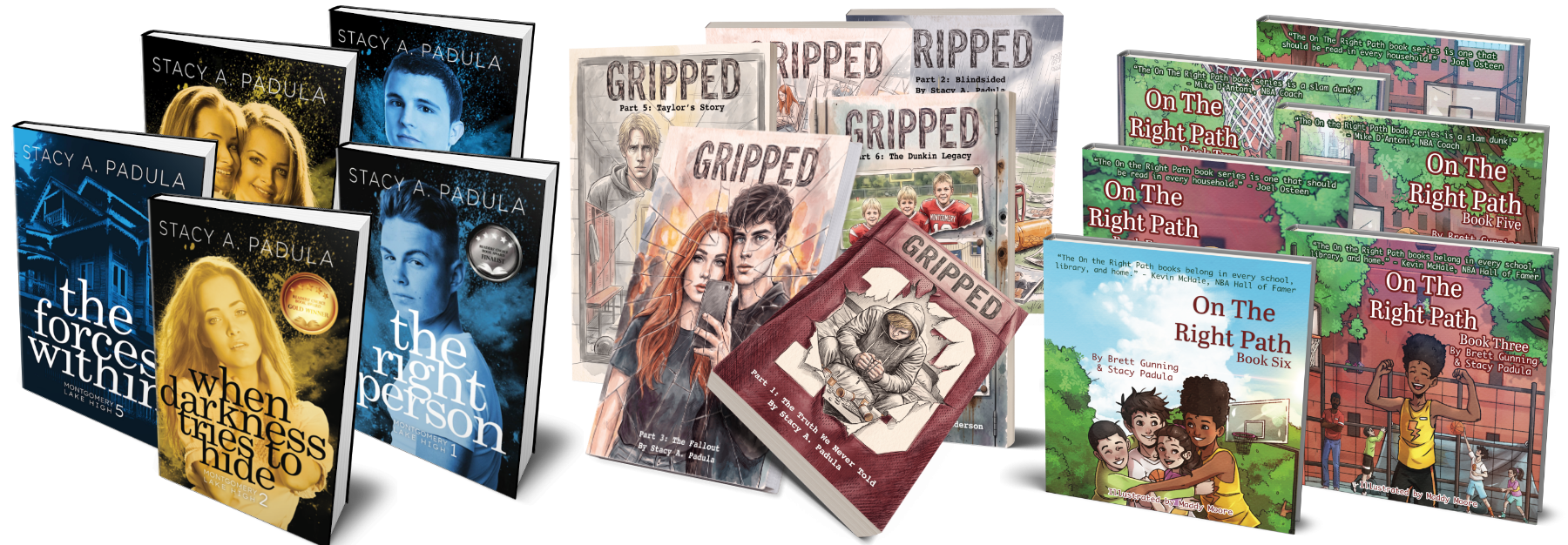

I’m excited to share that a free companion study guide is now available for The Aftermath, the third book in the Montgomery Lake High series.
Designed specifically for youth groups, small groups, and middle/high school classrooms, this downloadable curriculum helps leaders and teachers walk teens through the story in a meaningful, discussion-based way.
About the Book
Three weeks after a devastating storm leaves one of their classmates in a coma, the students of Montgomery Lake High are living in the emotional and spiritual fallout. Popular, intelligent Jason Davids is drowning in guilt, a toxic relationship, and substances—while quiet faith, unexpected friendships, and the power of prayer begin to break through the darkness.
The Aftermath is a story about what happens after the crisis. It shows real change unfolding in real time as a young man moves from self-destruction toward honesty, surrender, and new life.
Why This Book Works So Well for Youth Groups & Churches
Teenagers are often carrying more than adults realize—guilt, peer pressure, emptiness behind the perfect image, and questions about whether God can actually meet them in the mess. The Aftermath speaks directly into those places without soft-pedaling the struggles or the hope.
Key strengths for ministry settings include:
- Realistic portrayal of guilt and trauma – Jason’s internal battle after the accident feels authentic to many teens who have experienced loss or carry responsibility for someone else’s pain.
- Clear gospel presentation – The turning point with Pastor Mark offers one of the strongest and most natural conversion moments in the series. It models how to share the gospel with honesty and grace.
- Prayer and community as powerful forces – Readers see how the quiet faithfulness of others (Jessie, Chris, Chantal, and the church) begins to affect Jason long before he fully understands it.
- Light vs. darkness theme – The book makes spiritual reality tangible without feeling preachy.
- Discussion-friendly structure – The free study guide includes session breakdowns, discussion questions, Scripture ties, personal challenges, and leader tips so groups can move from reading into real conversation and application.
Why Teachers & Schools Are Finding It Valuable
Beyond its faith elements, The Aftermath works well in classroom settings because it is strong literature that also addresses real-world issues teens face:
- Complex character development – Jason’s arc is layered, messy, and believable. Students can analyze motivation, internal conflict, and transformation.
- Themes of peer pressure, substance use, and toxic relationships – These topics appear in health classes and advisory periods. The novel provides a narrative entry point for thoughtful discussion rather than a lecture.
- Multiple perspectives and symbolism – The “aftermath” of the storm functions both literally and metaphorically, giving students rich material for literary analysis.
- Cross-curricular potential – English teachers can pair it with health or counseling units on mental health, addiction, and decision-making.
- Age-appropriate yet honest – The content is realistic without being gratuitous, making it suitable for grades 8–12 with proper guidance.
The free study guide includes optional classroom-focused notes so teachers can emphasize either the literary elements or the life application—or both.
How to Get the Free Study Guide
The companion study guide for The Aftermath is available at no cost for youth leaders, pastors, teachers, and parents. It is designed to be printed and used as handouts for group discussions or individual reflection.
If you are a youth leader or educator who would like bulk copies of the book for your group or classroom, volume discounts are available. Feel free to reach out through the contact form on this site.
Final Thought
The Aftermath is more than a story about what happens after a tragedy. It is a story about what God can do in the aftermath when people turn to Him. I’m grateful this free curriculum is now available to help more teens encounter that hope—whether in a youth room, a classroom, or a quiet corner with a book.
If you use the guide with your group or class, I’d love to hear how it goes.
— Stacy A. Padula
Discover more from Books by Stacy A. Padula
Subscribe to get the latest posts sent to your email.


You must be logged in to post a comment.