

Prescription drug abuse among teenagers has become an alarming trend in the United States, with opiates and benzodiazepines posing significant risks. This issue is multifaceted, involving factors like easy accessibility, misconceptions about safety, and societal pressures. This article delves into the rise of this phenomenon, its implications, and how new educational initiatives could serve as a novel approach to combating this issue.
The Surge in Teenage Prescription Drug Abuse
Opiates:
- Prevalence: According to research from the National Institute on Drug Abuse (NIDA), there has been a noticeable increase in the misuse of prescription opiates among adolescents. The misuse of drugs like OxyContin, Vicodin, and Percocet has become disturbingly common, contributing to a significant portion of the youth drug abuse problem.
- Risks: Opiates, when misused, can lead to dependency, addiction, and even death from overdose. The risk is heightened by the fact that these drugs are often perceived as safer because they are prescribed, leading to a false sense of security among teens.
Benzodiazepines:
- Growing Concern: Benzodiazepines, including drugs like Xanax, Valium, and Klonopin, have also seen a rise in teenage abuse. These drugs, often prescribed for anxiety or insomnia, can be highly addictive and dangerous, especially when combined with other substances like alcohol or opiates.
- Impact: The combination of benzodiazepines with other depressants can lead to severe respiratory depression, increasing the likelihood of fatal overdoses. This combination has been implicated in a significant number of overdose deaths.
Factors Contributing to the Rise
- Accessibility: Many teenagers obtain these medications from family medicine cabinets, friends, or illicit sources online. The perceived safety due to their legal status makes them more appealing for misuse.
- Misconceptions: A common misconception among teens is that these drugs are safe because they are prescribed, not recognizing the potential for abuse and addiction.
- Peer Influence: Social pressures and the desire to experiment or fit in with peers play a substantial role. The normalization of drug use within some social circles can lower the perceived risk.
The Role of Schools in Prevention
Schools are at the forefront of addressing and potentially mitigating this crisis through education and prevention programs:
- Traditional Approaches: Programs like D.A.R.E. and lectures on drug abuse have been criticized for inefficacy, often failing to engage students or provide them with practical knowledge or skills to deal with real-life scenarios.
Introducing the “Gripped” Book Series
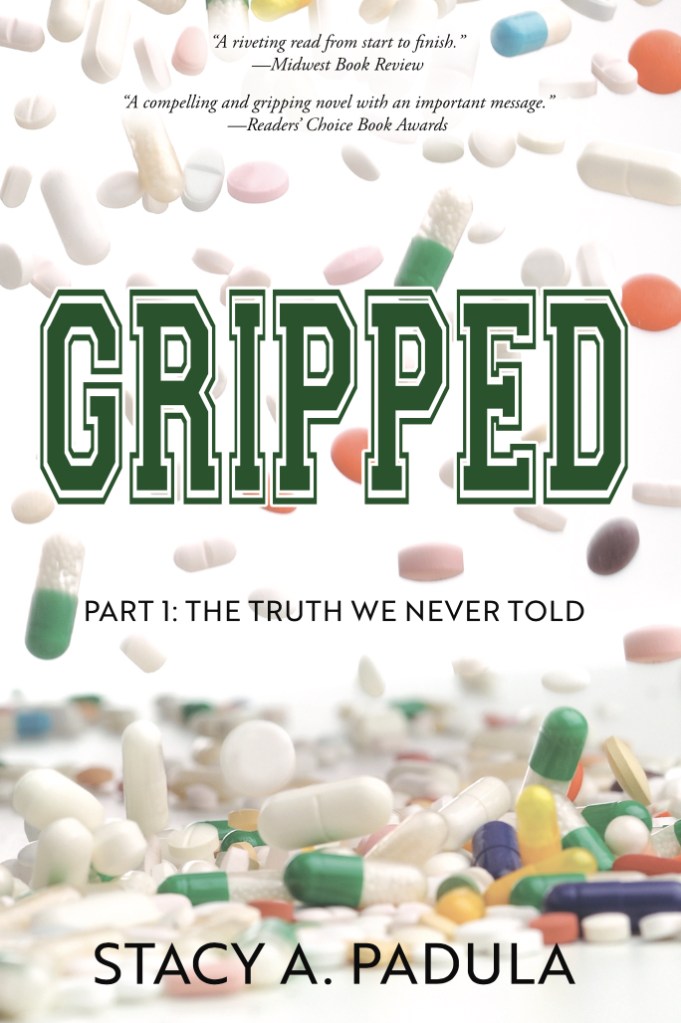
The “Gripped” book series by Stacy Padula presents an innovative method to educate teenagers about the dangers of drug abuse, particularly focusing on prescription drugs:
- Engagement Through Storytelling: Unlike traditional educational materials, “Gripped” uses the allure of storytelling to engage students. By weaving the narrative around characters dealing with real-life issues related to drug abuse, the series can capture the attention of young readers who might otherwise tune out from standard lectures.
- Relatable Characters and Situations: The series introduces characters that teenagers can relate to, facing peer pressure, mental health issues, or curiosity about drugs, providing a mirror to their own lives or those of their peers. This relatability makes the education process more impactful.
- Educational Content: Each book in the series subtly integrates educational content about the effects, risks, and consequences of drug use, particularly opiates and benzodiazepines. It focuses on the science behind addiction, the impact on mental health, and the social and legal ramifications, all within an engaging plot.
- Fostering Critical Thinking and Decision-Making: By presenting characters who must navigate complex decisions regarding drug use, “Gripped” encourages students to think critically about their choices, promoting life skills like decision-making and problem-solving in the context of drug prevention.
- Benefits of Implementation in Schools:
- Increased Awareness: Students can learn about drug abuse in a way that feels less like traditional education and more like entertainment, increasing retention of information.
- Open Dialogue: The narrative can spark discussions in classrooms about drug use, breaking down the taboo and encouraging students to ask questions or seek help if needed.
- Prevention: By highlighting the real-life consequences through relatable stories, the series might deter students from experimenting with drugs out of curiosity or peer pressure.
- Mental Health Education: The series can also address mental health, illustrating that drugs are not a solution to emotional or psychological distress, potentially guiding students towards healthier coping mechanisms.
Conclusion
The rise in teenage abuse of prescription drugs, particularly opiates and benzodiazepines, demands new strategies for education and prevention. The “Gripped” book series offers a promising approach by engaging students through literature, making the learning process both enjoyable and educational. By integrating such curriculum, schools could not only inform but also inspire students to make safer, more informed choices, potentially reducing the incidence of prescription drug abuse among the youth.
Discover more from Books by Stacy A. Padula
Subscribe to get the latest posts sent to your email.


You must be logged in to post a comment.