
In the Gripped book series, Luke Davids epitomizes the ISFJ personality type, known as “The Defender” or “The Protector.” His journey through the narrative is a complex blend of loyalty, responsibility, and a deep-seated desire to care for others, often at his own expense. Here’s how Luke embodies these traits amidst the challenges he faces:
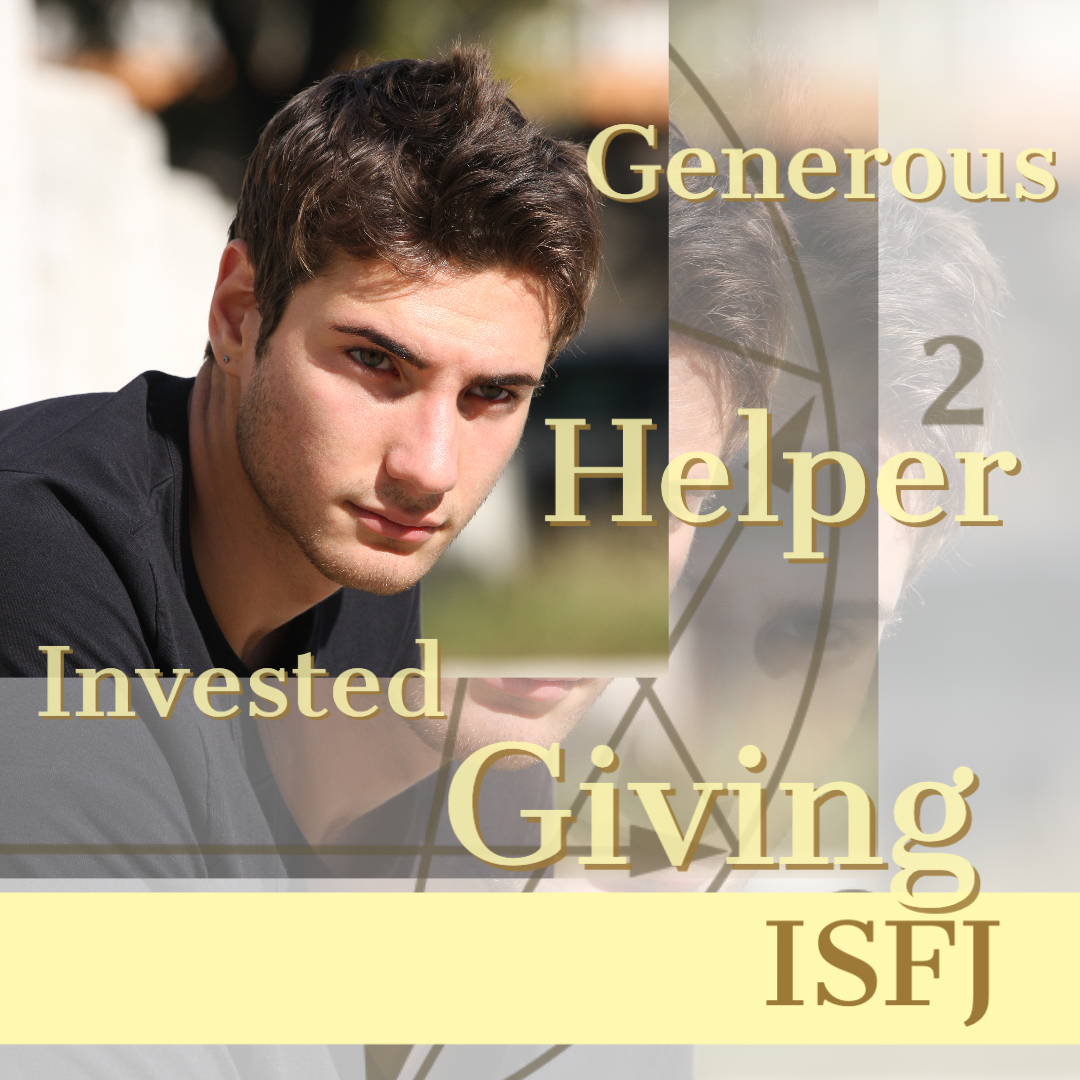
Loyalty and Dedication
Luke’s loyalty is one of his most defining traits. He’s the unwavering support for friends like Cathy, serving as her “ride or die” through highs and lows. His dedication extends to becoming a middleman for drugs at Montgomery Lake High, a role he assumes out of a misguided sense of help, aiming to assist peers dealing with depression, anxiety, or boredom. This decision reflects his deep-seated need to be there for others, even when it leads him into morally ambiguous territory.
Sense of Duty and Responsibility
Luke’s sense of duty is profound, driving him to take on responsibilities that go beyond what might be expected. His involvement in drug distribution, although problematic, stems from his desire to alleviate suffering among his peers. However, his sense of responsibility kicks in when he sees the negative impact on Cathy. He tries to dissuade her from drug use, showing his commitment to her well-being over maintaining his dubious role.
Compassion and Empathy
His compassion is evident in how he interacts with everyone, especially with those he cares about deeply. Luke worries about Jason, reflecting his empathetic nature, always concerned for others’ welfare. His relationship with Cathy is marked by genuine care, wanting what’s best for her, even when it means challenging her choices.
People-Pleasing and the Struggle to Say No
Luke’s tendency to people-please is a double-edged sword. His difficulty in saying no leads him into situations like drug distribution, as he fears the social isolation that might come from refusal. This trait is also evident in his relationship with Missy; he fears revealing his true, more introverted self, opting instead to play the partier to keep her happy. This facade is a stark contrast to his natural shy and introverted disposition, highlighting his struggle between his authentic self and the person he believes others want him to be.
Practical Help Over Words
In line with ISFJ traits, Luke prefers action over words. Instead of just offering advice, he steps into roles like drug supplier or party organizer to ensure his peers feel included and have an escape from their issues. Yet, this practical help sometimes crosses ethical boundaries, showing the complexity of his character.
Traditional Values and Stability
While Luke seeks to maintain friendships through parties and drug provision, his underlying motivation is traditional – to preserve connections and ensure social stability in his life. His fear of losing friends when the seniors graduate shows his anxiety about change and his preference for the comfort of established relationships.
Attention to Detail
Luke’s attention to detail is crucial when he plans parties or looks after friends, ensuring everyone’s needs are met. However, this trait also makes him overly aware of how others perceive him, leading to his chameleon-like behavior in relationships.
Challenges and Growth
- Adapting to Change: Luke’s journey involves learning to navigate change, especially when he realizes the harm his actions could cause. His growth includes understanding that true friendship isn’t about enabling or pretending but about supporting each other’s best interests.
- Self-Care: Throughout the series, Luke learns the hard lesson of self-care versus people-pleasing. His attempt to talk Cathy out of drug use marks the beginning of a shift towards prioritizing genuine care over mere appeasement.
- Expressing Emotions: His struggle to express his true feelings, especially with Missy, reveals an inner conflict. He fears rejection for his authentic self, but this fear drives his personal growth towards authenticity and honesty.
- Identity and Authenticity: Luke’s journey also involves reconciling his need to belong with his true identity. He’s learning that being a protector doesn’t mean losing himself but rather being true to who he is while still caring for others.
Luke Davids, through his complex and sometimes flawed actions, showcases the ISFJ’s journey from people-pleasing to a more balanced form of support. His character arc is not just about the challenges of being the middleman or the party host but about finding authenticity in his desire to protect and care for those around him, embodying the essence of an ISFJ in a nuanced, real-world context.
Discover more from Books by Stacy A. Padula
Subscribe to get the latest posts sent to your email.


You must be logged in to post a comment.