
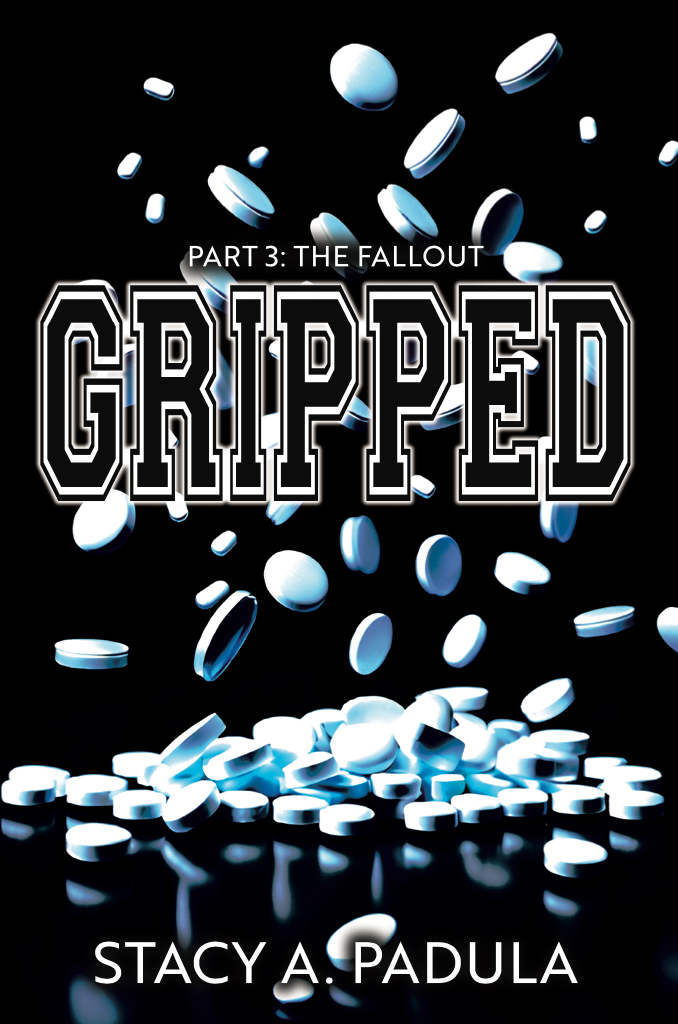
In Stacy A. Padula’s “Gripped Part 3: The Fallout,” the narrative intricately weaves the story of friendship, betrayal, and personal redemption through the experiences of Jason Davids and Chris Dunkin. These characters are central to the book’s appeal, resonating deeply with both teenage and adult readers as they explore the complex terrain of addiction recovery and the strain it puts on long-standing relationships. This article delves into why the journey of Jason and Chris captivates readers, focusing on their ten-year friendship, the pivotal shift as Chris seeks sobriety, and the emotional turmoil left in Jason’s wake.
The Ten-Year Friendship
Jason Davids and Chris Dunkin’s friendship spans a decade, a significant portion of their young lives. This long-term bond is something many readers find relatable, whether they are teens reminiscing about childhood friendships or adults looking back on their own past relationships. The depth of their friendship, built on shared experiences, mutual interests, and the trust that comes with time, sets the stage for the dramatic changes that unfold. Their history together provides a backdrop that makes their eventual falling out all the more poignant and impactful.
Chris’s Decision to Get Sober
The turning point in their relationship comes when Chris Dunkin decides to confront his addiction, realizing that his path to sobriety necessitates distancing himself from Jason. This decision is particularly compelling because it highlights the difficult choices individuals in recovery often face. For teens, Chris’s action might reflect the pressures of peer influence and the courage it takes to choose a healthier path over a familiar, albeit destructive, friendship. For adults, it underscores the harsh reality of how addiction can seep into and alter the dynamics of even the closest relationships. Chris’s initiative to get sober, despite being the one who initially introduced Jason to drugs, adds layers to his character, making him a figure of both regret and redemption.
Jason’s Hurt and Confusion
Jason’s reaction to Chris pulling away is where the narrative truly grips readers. Left feeling hurt and confused, Jason embodies the confusion and pain of being on the other side of someone’s recovery journey. This aspect of the story resonates on multiple levels:
- For Teens: Jason’s feelings reflect the common teenage experience of feeling abandoned or betrayed by friends who change or grow apart. It speaks to the emotional complexity of losing a close friend, especially when the reasons are tied to personal growth or recovery, which can feel like a personal rejection.
- For Adults: Jason’s situation might evoke memories of friendships lost or altered over time due to life changes. It also provides a lens through which adults can understand the ripple effects of addiction on social circles, highlighting the often overlooked perspective of the ‘enabler’ or the friend left behind.
The narrative does not shy away from showing Jason’s vulnerability, his sense of betrayal, and the confusion of being left out of Chris’s new life direction. This emotional depth makes Jason’s character journey as compelling as Chris’s, offering readers a dual perspective on the consequences of addiction and recovery.
Thematic Resonance
The themes of friendship, personal responsibility, and the painful process of recovery are universally resonant. The book delves into:
- The Complexity of Influence: Chris’s initial role in introducing Jason to drugs and then his decision to leave that life behind speaks to the complexity of how we influence each other, especially in formative years.
- The Pain of Growth: Both characters grow, but in opposite directions, illustrating that personal growth often comes with personal loss.
- Redemption and Forgiveness: Chris’s journey towards sobriety and the potential for reconciliation with Jason touch on themes of redemption and the possibility of forgiveness, which are central to human relationships.
Conclusion
“Gripped Part 3: The Fallout” captures the essence of human relationships through the lens of addiction recovery, making it a compelling read for both teens and adults. Jason Davids and Chris Dunkin’s story is a testament to the resilience of friendship, the painful necessity of change, and the journey towards self-betterment. Their narrative invites readers to reflect on their own friendships, the choices they’ve made, and the paths they’ve taken or left behind. Through Jason and Chris, Stacy A. Padula offers a narrative rich with emotional depth, making “The Fallout” not just a story about addiction but about the human condition itself.
Discover more from Books by Stacy A. Padula
Subscribe to get the latest posts sent to your email.


You must be logged in to post a comment.