
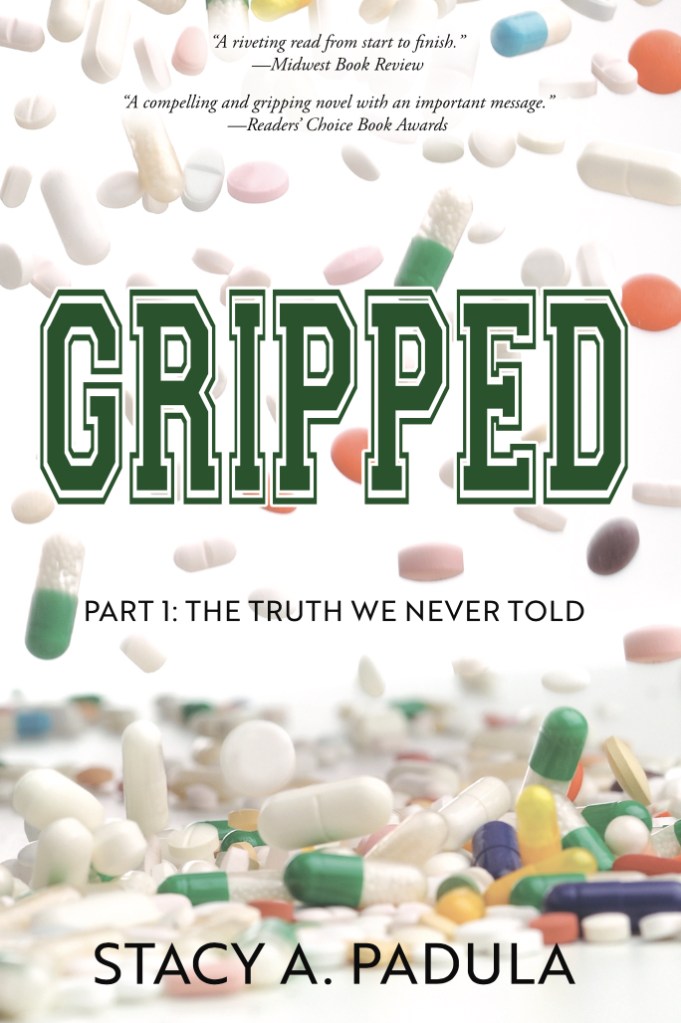
Stacy A. Padula’s “Gripped Part 1: The Truth We Never Told” stands out as a riveting piece of young adult fiction that resonates with both teenagers and adults alike. This novel, part of the award-winning Gripped series, delves into the complex world of adolescent struggles with substance abuse, relationships, and personal growth. Its appeal spans generations due to its realistic portrayal of contemporary issues, emotional depth, and narrative complexity. Here’s an in-depth look into why this book captivates such a diverse audience.
Realistic Portrayal of Teenage Life
One of the primary reasons “Gripped Part 1” is compelling for teens is its authentic representation of their realities. The story revolves around Taylor Dunkin, a once-promising athlete whose life takes a dark turn due to a severe injury leading to addiction. This narrative arc provides a mirror to many young readers who might feel the pressures of high expectations, especially in sports or academics, which can sometimes lead to unhealthy coping mechanisms like substance abuse. According to reviews from young readers like Nasin Groshek from Plymouth, Massachusetts, the book’s fast-paced narrative about substance abuse and its effects on relationships and aspirations is highly relatable, making it a must-read for high school and middle school students.
For adults, particularly parents and educators, the book serves as a window into the teenage psyche, offering insights into how seemingly minor events can spiral into significant life challenges. The realistic depiction of how drugs can infiltrate even the most promising lives provides a cautionary tale that resonates with those concerned about the well-being of young people in their lives.
Emotional Depth and Character Development
Padula crafts characters with such depth that readers of all ages find themselves emotionally invested. Taylor’s transformation from a celebrated athlete to a person entangled in a drug ring is portrayed with nuance, showing the gradual decline rather than an abrupt fall. This character development is crucial for both teens and adults; teens see a peer who could be anyone from their school, while adults see the potential for redemption and the complexity of human nature.
The relationship between Taylor and his younger brother Marc adds another layer of emotional depth. Marc’s journey from admiration to disillusionment and then to a mission of saving his brother is compelling. This familial bond, explored through Marc’s perspective, touches on themes of loyalty, betrayal, and the struggle of growing up in the shadow of a sibling’s downfall, which is universally relatable across age groups.
Addressing Societal Issues
The novel doesn’t shy away from addressing the opioid epidemic, a crisis that has affected communities nationwide. By setting this against the backdrop of a small town like Montgomery, Massachusetts, Padula highlights how pervasive these issues can be, not confined to urban settings or marginalized groups. This aspect makes the book particularly compelling for adults who might be more aware of the broader societal implications of addiction, providing a narrative that educates as much as it entertains.
For teens, the book introduces them to the gravity of drug abuse in a way that’s accessible and engaging through the lens of a character they can relate to. It’s noted by reviewers like Rebecca Ronning from Brooklyn Technical High School that the book sends a powerful message about how anyone can struggle with addiction, emphasizing the importance of recognizing signs of drug use among peers.
Narrative Structure and Style
The structure of the book, with its blend of current events and flashbacks, keeps the narrative engaging. This technique allows readers to understand the progression of Taylor’s life from stardom to despair, offering a suspenseful and layered storytelling experience. For teens, this keeps the pace lively, while adults appreciate the depth this adds to character development and plot complexity.
Padula’s writing style, described as easy to follow yet powerful, ensures that the story’s gravity doesn’t overwhelm the reader with its intensity but rather invites them into a journey of understanding and empathy. This balance is crucial in making the book accessible to a younger audience while still providing substance for an older one.
Educational Value
Beyond entertainment, “Gripped Part 1” serves an educational purpose. It’s recommended for its detailed look at the consequences of drug involvement, which is particularly relevant in the context of the ongoing opioid crisis. High school and middle school students gain insights into the real-world implications of drug use, while adults find it a useful tool for discussions about prevention and awareness, as noted by various reviews praising its educational yet entertaining narrative.
Conclusion
“Gripped Part 1: The Truth We Never Told” by Stacy A. Padula is a compelling read for both teens and adults due to its realistic portrayal of adolescent life, deep character development, tackling of societal issues, engaging narrative style, and educational value. It serves as both a cautionary tale and a beacon of hope, showing the potential for change and recovery. For teens, it’s a story that mirrors their world with all its pressures and pitfalls, and for adults, it’s a poignant reminder of the vulnerabilities of youth and the importance of guidance and support. This book, with its universal themes and specific focus on contemporary issues, bridges the gap between generations, making it a must-read for anyone interested in the complexities of growing up in today’s world.
Discover more from Books by Stacy A. Padula
Subscribe to get the latest posts sent to your email.


You must be logged in to post a comment.