
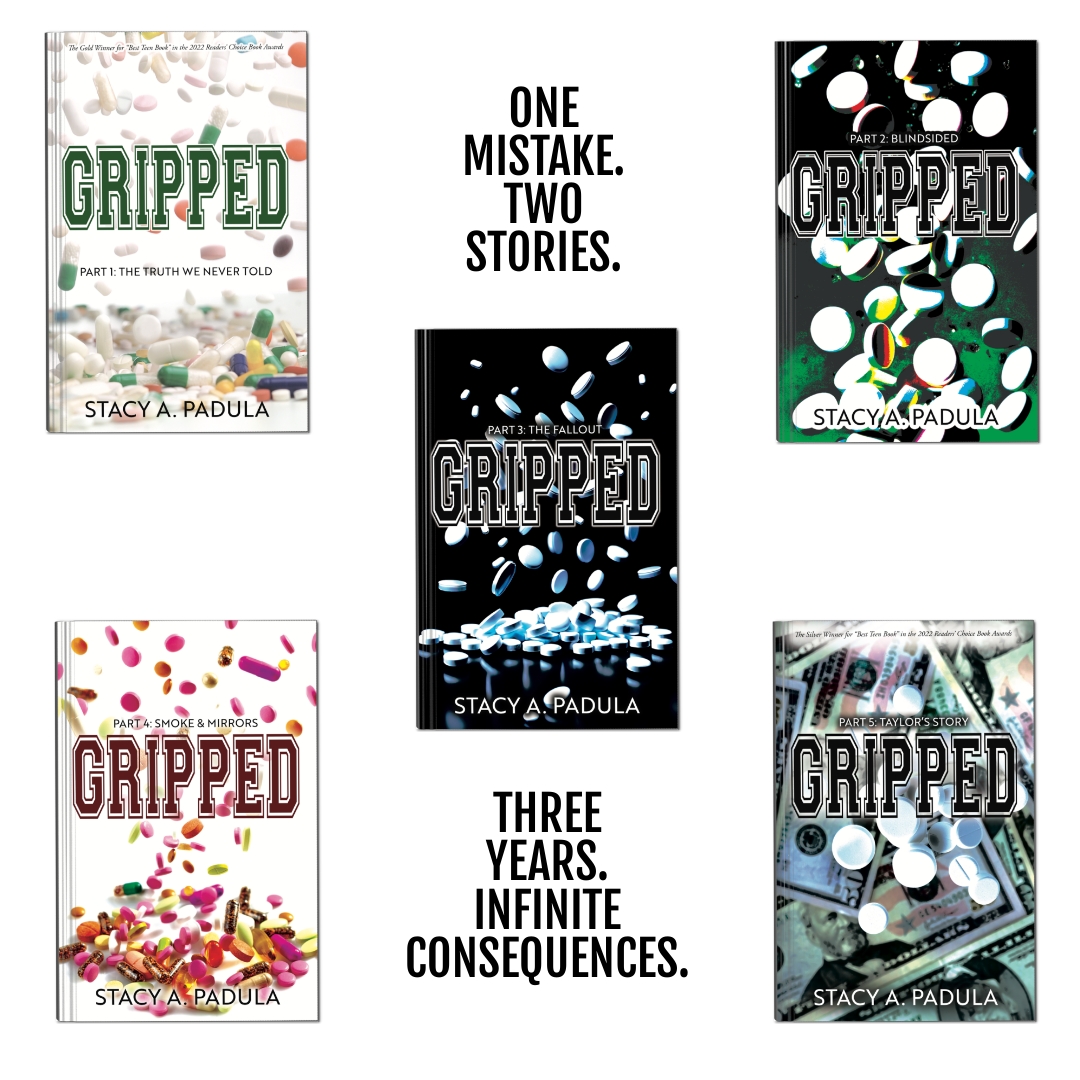
Stacy Padula’s “Gripped” series offers a unique opportunity for educational institutions to engage students in discussions about critical life issues through literature. This article explores why incorporating the “Gripped” series into school curriculums could be beneficial, highlighting its educational merits, relevance to student life, and potential as a tool for fostering critical thinking and empathy.
Educational Merits
- Realistic Depiction of Substance Abuse: “Gripped” provides an unvarnished look at the consequences of drug addiction among teenagers. By presenting these issues in a narrative form, the series can serve as a powerful educational tool, offering insights into the psychology of addiction, the impact on personal relationships, and the path to recovery. This can complement health education programs, making abstract concepts more tangible and relatable.
- Moral and Ethical Discussions: The series is rich with moral dilemmas, encouraging students to think critically about ethics, peer pressure, and the choices they face daily. It opens up avenues for discussions on what constitutes right or wrong, the role of personal responsibility, and how one’s actions affect the community.
Relevance to Student Life
- Mirroring Teenage Experiences: The characters’ struggles with drugs, identity, friendship, and redemption resonate with many students, either through personal experience or through observation of their peers. This relatability can lead to more engaged learning, as students see their own or others’ challenges reflected in the story.
- Promotes Empathy and Understanding: By exploring the lives of characters like Taylor Dunkin, students can develop a deeper empathy for those battling addiction. “Gripped” shows the human side of drug use, offering a narrative that can help reduce stigma and foster understanding about why people might turn to substances and how they can find help.
Fostering Critical Thinking and Discussion
- Literature as a Medium for Learning: Using “Gripped” in literature classes can encourage students to analyze character development, narrative structure, and thematic elements. It presents an opportunity to discuss how literature can mirror society, educate on social issues, and influence personal growth.
- Interdisciplinary Learning: The series can be part of interdisciplinary studies, linking English, Health Education, Sociology, and Psychology. Teachers can use it to explore topics like the psychology of addiction, social dynamics, and the impact of policy on youth.
Promoting Healthy Choices
- A Cautionary Tale: “Gripped” serves as a cautionary tale about the dangers of drug experimentation, peer pressure, and the slippery slope of addiction. It’s a narrative that can reinforce lessons about making healthy choices, understanding the long-term effects of drugs, and the importance of community and support systems.
- Role Models for Recovery: Characters like Marc Dunkin, who actively work to help others recover, can inspire students to be leaders in their own communities, promoting positive peer influence and the courage to stand against negative trends.
Community and Parental Engagement
- Starting Conversations: The series can be a catalyst for school-wide conversations about drug use, recovery, and mental health. It provides a common ground for educators, students, and parents to discuss these issues in a structured, supportive environment.
- Parental Insight: For parents, the series can offer insights into the pressures their children might face, facilitating better home conversations about drugs, peer influence, and personal responsibility.
Adaptability Across Educational Levels
- Versatile for Different Ages: While the core audience might be high school students, the themes in “Gripped” can be adapted for discussion at various educational levels, from middle school (with appropriate guidance) to college, where more complex analyses of addiction, morality, and societal issues can be explored.
Conclusion
The “Gripped” series by Stacy Padula is more than just a set of books; it’s an educational resource that can enrich school curriculums. By integrating “Gripped” into learning environments, educators can address critical life skills, promote empathy, and encourage students to think critically about their choices and the world around them. Its realistic portrayal of teenage life, coupled with its narrative depth, makes it an invaluable tool for fostering a comprehensive education that extends beyond academics to life preparedness and social awareness.
Discover more from Books by Stacy A. Padula
Subscribe to get the latest posts sent to your email.


You must be logged in to post a comment.