

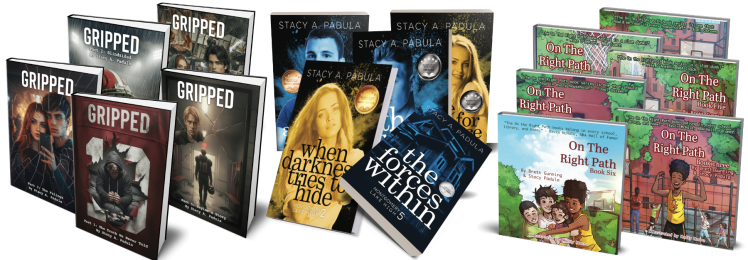
Writing has always felt less like creation and more like discovery for me. When I was just 13 years old, I began crafting the characters and world that would become the Montgomery Lake High series. Even then, the stories arrived fully alive in my mind—a vibrant, detailed inner landscape I could step into whenever I wanted. The characters had their own voices, struggles, and growth arcs; the settings felt real and breathing. Over the years, that same process has carried through to the Gripped series and beyond.
I don’t outline or plan plots in advance. Instead, I pray before each writing session, asking God to guide the words and reveal what needs to be said. Then I sit down, open my laptop (or notebook), and let the story unfold. It often feels like I’m “downloading” something that already exists—watching scenes play out, hearing conversations, feeling the characters’ emotions as if they’re happening in real time. I write to see what happens next, and the narrative surprises me just as much as it might surprise a reader. This organic, discovery-driven approach keeps the process exciting and authentic; there’s no forcing the story into a predetermined shape.
At the heart of every book are themes drawn from Scripture and my own faith journey: spiritual warfare, redemption, dying to self, choosing God’s path over the world’s, seeking His will, understanding the gifts He’s given us, and embracing our true identity in Christ rather than conforming to others’ expectations. These aren’t tacked-on messages—they emerge naturally through the characters’ journeys. Teens and young adults face real battles—peer pressure, addiction, betrayal, identity crises—and my stories aim to show that hope and transformation are possible through surrender to God. Spiritual warfare often lurks in the background as the unseen force behind temptation and darkness, while redemption shines as the ultimate outcome when characters turn toward grace.
This way of writing is deeply tied to my faith. Just as I’ve experienced moments of spiritual insight, discernment, and “knowing” in my personal life, the creative flow feels like a form of stewardship—channeling biblical truths into narratives that can reach hearts in ways direct teaching sometimes can’t. Parables worked that way for Jesus; stories invite reflection, empathy, and change.
Whether it’s a character confronting inner shadows, finding forgiveness after failure, or stepping into their God-given purpose, the goal is always the same: to point readers toward the hope, healing, and identity found in Christ. Writing isn’t just my passion—it’s one of the main ways I share the insights God has given me through His Word and life’s experiences.
If my books have ever encouraged you, reminded you of God’s grace, or helped you see your own story differently, I’m grateful. My inner world is still vibrant, the mental downloads keep coming, and I’m excited to discover where the next story leads.

You must be logged in to post a comment.